
Solar Battery vs Without a Battery: What's Better for Homes in Australia?
Compare solar batteries vs solar without battery storage. Explore costs, savings, blackout protection and government incentives for Australian homes.
On This Page
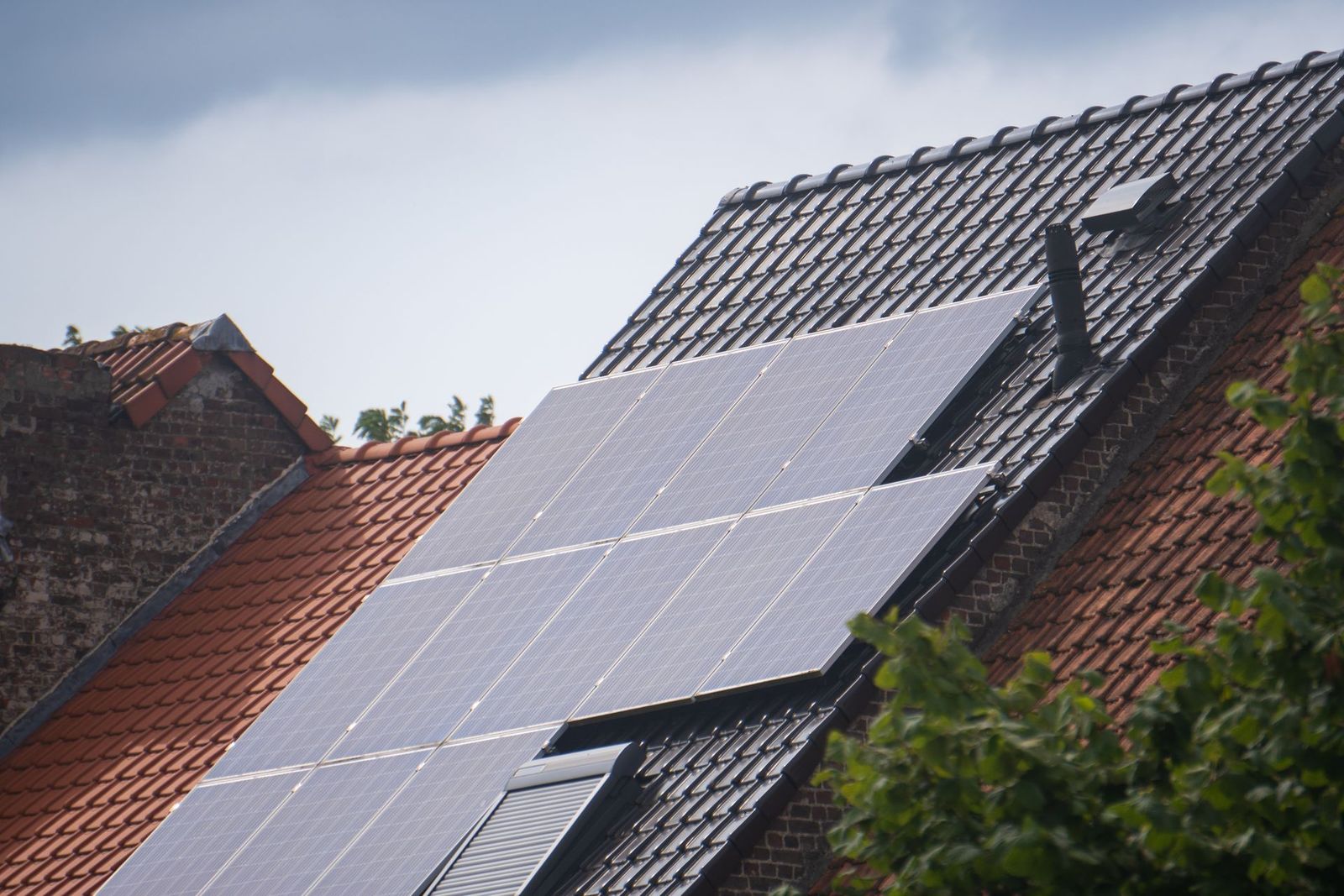
Solar panels are a fantastic way for homeowners in Australia to use renewable energy, lower their electric bills, and lessen their carbon footprint. But homeowners still have to make the decision of whether or not to use a solar battery with their panels.
A solar energy system without a battery is generally less costly. A home solar battery allows the storage of excess energy that is produced during the day for later use at night or when demand is higher.
The best solar solution for a particular home depends on several factors. These include average household energy use, peak electric rates, household budget, expected demand, and future outlook. Understanding these factors can help solar battery installation in Melbourne homeowners determine if a solar battery is worth the cost.
In this guide, we will examine solar power with a battery and solar power without a battery to see which is more ideal for your Australian home.
1. How Does Solar Power Work Without a Battery?
The standard rooftop solar power system creates electricity from the sun during the day. Your household uses the electricity it needs, and the excess electricity is generally exported to the electricity grid.
Your electricity retailer may give you a credit for the excess power that is exported to the grid, called a feed-in tariff. However, if your solar panels are not creating enough electricity, for example at night, your household draws electricity from the grid.
Let's say your solar panels create enough electricity for your household needs from 10 am to 3 pm. The excess electricity is exported to the grid. Later, your family uses appliances and air conditioning, and the electricity is imported from the grid.
Advantages of solar without a battery:
- Lower initial installation cost.
- Fewer components and less equipment to maintain.
- Opportunity to receive feed-in tariff credits for exported electricity.
- A practical option for households that use most of their electricity during daylight hours.
- No need to manage or replace a separate battery system.
The main disadvantage is you can't store excess solar power for use at night.
2. How Does a Solar Battery Work?
A solar battery saves surplus energy produced by your solar panels instead of sending it to the grid.
Additional energy produced by your panels can be used to charge your battery. As solar generation decreases and your battery's energy is used up, your home will depend on grid power.
Australian households that consume more energy in the evening can especially benefit from solar batteries.
Solar energy produced during the day when the family is not home can be stored to power the home in the evening when the family is back, and the energy is used to do activities around the home and to charge household appliances.
Main benefits of installing a solar battery:
- Store unused solar electricity for later.
- Reduce reliance on grid electricity during evening hours.
- Potentially lower electricity bills.
- Provide backup power for selected household circuits when configured appropriately.
- Improve the use of electricity generated by your existing solar panels.
A solar battery will not automatically power your whole home during a blackout. Backup energy capability depends on your battery, inverter, electrical system and the circuits selected for backup.
3. Solar Battery vs Without a Battery: Key Differences
Before choosing a system, it's helpful to understand how both options compare.
- Initial investment: Solar Without Battery - Lower; Solar With Battery - Higher
- Excess solar energy: Solar Without Battery - Usually exported to the grid; Solar With Battery - Stored for later use
- Evening electricity: Solar Without Battery - Mainly purchased from the grid; Solar With Battery - Can use stored solar energy
- Feed-in tariff: Solar Without Battery - Credits may be received for exported power; Solar With Battery - Less electricity may be exported
- Blackout protection: Solar Without Battery - Standard grid-connected solar generally shuts down; Solar With Battery - Backup may be available if configured
- Energy independence: Solar Without Battery - More dependent on the grid; Solar With Battery - Greater potential independence
- System complexity: Solar Without Battery - Simpler setup; Solar With Battery - Additional battery and compatible equipment
- Maintenance: Solar Without Battery - Solar system maintenance; Solar With Battery - Solar and battery maintenance
With a solar battery, your solar system can still export energy to the grid, meaning your solar system output can be greater than the energy your home is consuming. Without a solar battery, your solar system cannot export energy to the grid, and your solar system output can therefore never be greater than your home energy consumption.
4. Which Option Can Save More Money on Electricity Bills?
Savings depend on when your household uses electricity and what you pay for imported power.
Solar panels without a battery let you reduce your electricity purchases during the daytime. But you might be paid a lower feed-in tariff for excess energy exported to the grid than the retail rate you pay when buying electricity.
A battery allows you to store some of that extra energy for later. This could mean you buy less electricity during the expensive evening hours.
For example:
- Without a battery: During the day your solar system exports power and you buy power from the grid at night.
- With a battery: Excess solar energy charges the battery, and in the evenings, the battery can supply part of your power consumption.
Of course, batteries have costs associated with their purchase and installation. The financial viability of a battery relies on several variables, including tariffs, how much energy you store and use, system life, and incentives.
Comparing your energy bills can help you figure out how much energy you export and import. General saving claims probably aren't the best way to determine if a battery is right for you.
5. Is a Solar Battery Worth It for Australian Homes?
Solar batteries are worth the cost if you use a lot of power in the evenings. Also, if you have a solar system that produces a lot of power during the day and that power is exported, then a battery would be worth the cost.
Solar without a battery may be better if your household uses most of its power during the day.
A solar battery may be suitable if:
- You use most of the electricity in your home after dark.
- You have solar panels that generate excess electricity during the day.
- You use quite a bit of power in the evenings.
- You want backup power for select appliances when the power goes out.
- You want to lessen your dependence on grid power.
- It makes clear financial sense to store and use solar power with your electricity tariff.
Solar without a battery may be better if:
- You use most of your home's electricity during the day.
- Your solar system now provides a good deal of your daytime needs.
- You get a decent feed-in tariff.
- You have no battery investment left in your budget.
- Your electricity bills are already low.
For some homeowners, the more convenient option is to install solar panels initially on their home and then consider battery storage at a later date. However, you should factor in your existing inverter and possible future battery storage when designing your initial solar system.
6. What About Government Incentives for Solar Batteries in Australia?
Government incentives can help reduce the price of home battery storage.
The Australian Government's Cheaper Home Batteries Programme provides eligible households and other qualifying customers with a discount of around 30% on the upfront cost of an eligible small-scale battery.
The programme is open to both new and existing solar battery systems. The programme specifies that eligible battery systems must have a nominal capacity of between 5 kWh and 100 kWh.
Importantly, the discount is calculated with Small-scale Technology Certificates (STCs), and the amount of support is dependent on the battery’s capacity and the STCs’ support factor. The programme's rules changed on 1 May 2026, and homeowners should review them and calculate the discount before purchasing a battery.
You can find the rules and information about the programme here:
Australian Government - Cheaper Home Batteries Programme
Clean Energy Regulator - Solar Batteries
Before signing a solar battery installation agreement, make sure to check the rules and evaluate the expected discount with your solar battery storage provider.
7. What Should Melbourne Homeowners Consider Before Installing a Solar Battery?
Homeowners considering solar battery installation in Melbourne should consider a range of factors when assessing different systems.
Consider these important factors:
1. Your daily electricity consumption
Knowing how much power your household uses during the day and night means that you can determine if battery storage could be worthwhile for you.
2. Existing solar panel capacity
Solar panels need to generate enough excess power to charge the battery. A professional assessment can provide more information.
3. Battery storage capacity
Battery storage should be as large as the energy requirements of your household. A larger battery does not always mean it is better.
4. Backup power requirements
It is important to understand if the system can be used to power certain circuits in the house during a blackout.
5. Product warranty and installation quality
When considering different systems, it is necessary to look at the warranty, performance specifications and the standard of the installation. It is important to use an accredited installer.
Homeowners in Melbourne, including those in Truganina, Point Cook, Werribee, Tarneit, South Yarra, Richmond, Brunswick and surrounding areas should consider their available space for installation, their electrical system and their property.
8. Solar Battery or No Battery: Which Is the Better Choice?
The answer is totally dependent on what your goals and objectives are.
Solar panels with a battery are pricier than solar panels without a battery. However, if you need to store excess solar energy for use during other times of the day or if your household’s energy use is during times when solar energy is not available, a battery is worth the additional cost.
Most homeowners should focus their decisions about solar and batteries on their energy use, not on conjecture about battery savings.
At Ecovera, we provide numerous battery options to consumers, including the Sungrow, the BYD Battery Box, and, of course, the Tesla Powerwall. Homeowners can add batteries to their existing solar system or purchase a new solar system with batteries.
For more information on Ecovera's services or to have your battery and solar questions answered, visit our website.
Frequently Asked Questions
1. Is it better to have solar panels with or without a battery?
It is contingent upon how much electricity you use. Generally, solar panels without a battery are cheaper to buy up front, but a battery allows you to store any excess solar power to use in the evening and potentially reduce your reliance on the grid.
2. Can I add a solar battery to my existing solar panels?
Yes. Many homeowners can add a compatible battery to their current solar system. But before you install it, you should check the inverter compatibility, system configuration and electrical requirements.
3. Do solar batteries work during a power outage?
They can if the battery system has appropriate backup functionality and is set up correctly. Depending on the system, only certain essential circuits may be powered during an outage.
4. How much can a solar battery save on electricity bills?
Savings depend on the battery’s capacity, the household’s electricity use, solar generation, the type and time of electricity use, the feed-in rate, and the system’s overall efficiency. The only way to find out for certain is to get an assessment.
5. Are solar batteries worth installing in Melbourne?
Solar batteries may be suitable for households with high evening electricity use, high solar generation, and a need for backup power. Comparing costs, incentives, and expected savings can help with the decision.
Conclusion
Whether you want solar panels with a battery depends on your household’s energy usage, budget and long-term goals. Solar without storage is cheaper, but with battery storage you can store excess solar power to use after sunset, giving you more flexibility.
Check your electricity use, get installation quotes, and find out what government incentives are available before deciding. A properly sized and professionally installed system can help you get more value from the solar energy that your home generates.
Keen on home battery storage? Call Ecovera to discuss your household needs and find a solar battery solution that’s right for you.
Ecovera Team
Water Filtration Specialists
The Ecovera team designs, installs and maintains water filtration, air conditioning and solar battery systems for Australian homes.
Related articles
Upgrade your home with smarter, cleaner & more sustainable solutions.
Licensed installation, premium filtration and years of support — starting with a free, no-obligation consultation for your family.